
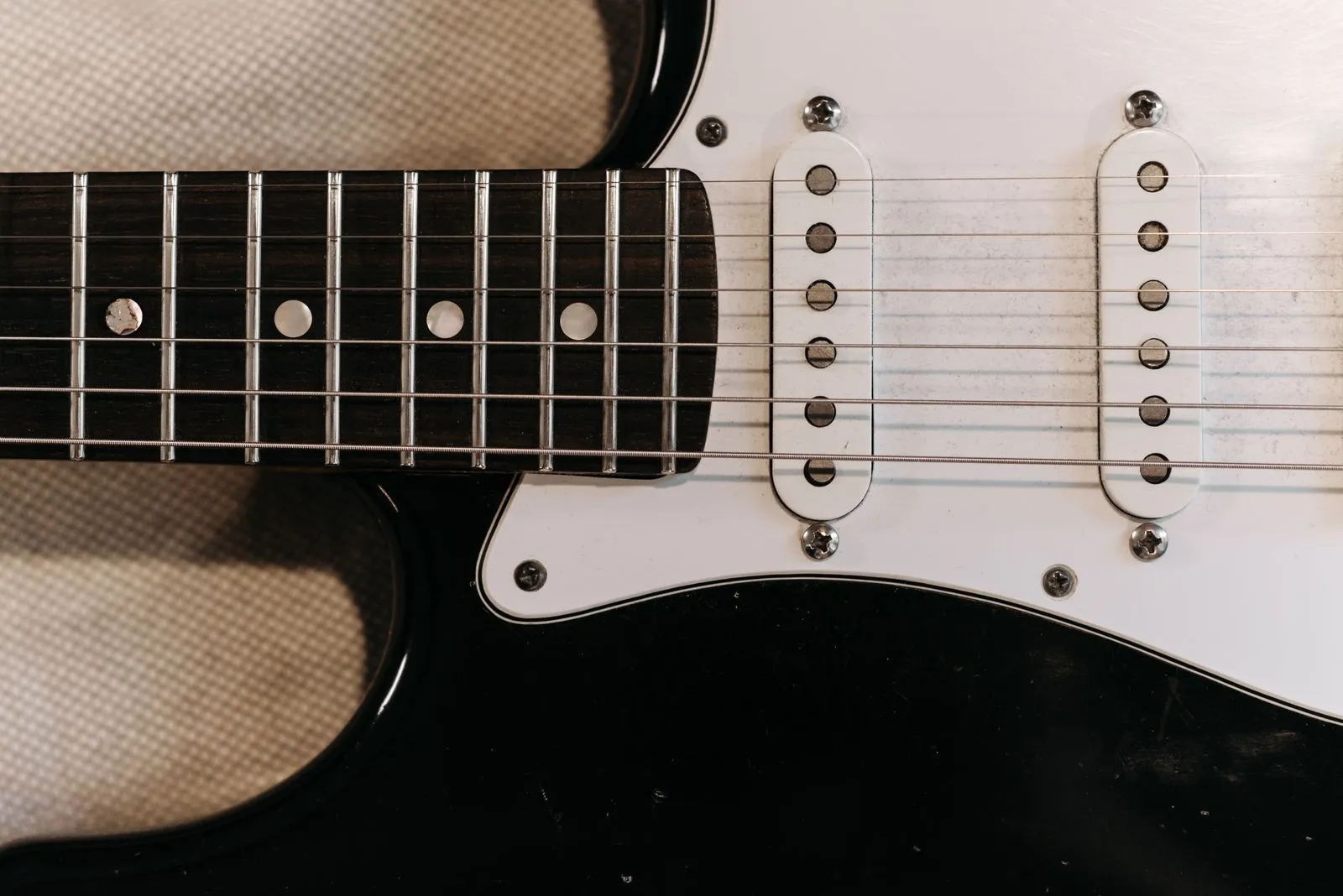
A pickup installation involves more than removing one component and fitting another. The technician needs to confirm that the pickup suits your guitar, inspect its existing wiring, and set the pickup height so it performs as intended. Knowing what happens at each stage helps you describe the sound you want and avoid surprises. Before you bring in your instrument, gather any pickup specifications, note existing problems, and ask how the shop handles compatibility and final testing.
Start With Your Goals
Describe the change you want in practical terms: a brighter or warmer sound, more output, reduced hum, or a different balance between neck and bridge positions. If possible, mention the guitar, amplifier, and playing situations you use most. A technician can use those details to discuss suitable pickup types and explain tradeoffs, such as noise, output level, and how the new pickup may balance with the one you keep.
Bring the pickup’s make and model, wiring diagram, and any included parts. Tell the shop whether the pickup is new or used and whether you want to retain the original pickup. If you are unsure about a choice, ask the technician to confirm compatibility before installation rather than relying on appearance or a product description alone.
Inspect Fit and Compatibility
The technician will check whether the pickup fits the guitar’s route, mounting arrangement, and pickguard or pickup ring. They may also check the pickup’s dimensions, lead type, and number of conductors. These details affect whether it can be installed as intended and whether the guitar needs any additional parts or work. A pickup that looks similar to the original may still have different mounting or wiring requirements.
Discuss any modifications before work begins. Some installations are straightforward, while others may require changes to a pickguard, cavity, or control wiring. Ask what work is necessary, whether it can be done without permanent changes, and whether the original parts can be returned to you. The technician should explain options before altering the instrument.
Review Wiring and Testing
Before connecting the new pickup, the technician can inspect the existing wiring, switch, pots, output jack, and ground connections. They should look for loose joints, damaged insulation, corrosion, or previous repairs that could affect the result. If the guitar has an existing noise or intermittent signal problem, point it out clearly; a pickup change may not resolve a fault elsewhere in the circuit.
After installation, the technician should test the controls and pickup positions through an amplifier or suitable test setup. This includes checking that the volume and tone controls work, the selector behaves correctly, and the signal remains consistent when you move the cable or operate the controls. Ask whether they will check for unwanted hum and confirm that any coil-splitting or phase options work as expected.
Discuss Setup and Handoff
Pickup height affects output, clarity, and string balance. The technician should set an initial height and may adjust it by listening and checking the response of each string. Ask whether height adjustment is included and whether you can request a final tweak after playing the guitar. The best setting depends on the pickup, string pull, playing style, and the sound you prefer.
Before leaving the guitar, confirm what is included in the job, what parts will be returned, and whether the installation changes the instrument’s setup. Share any handling concerns, such as a floating tremolo, unusual tuning, or fragile finish. When you collect the guitar, test each pickup position and control yourself, and ask the technician to show you any new switching features.
A smooth pickup installation starts with clear goals and a compatibility check, then continues with careful wiring inspection, functional testing, and a practical height adjustment. Bring the pickup details and explain any current issues before work begins. If you have questions about your guitar’s wiring or fit, contact Providence Pickup Co. to discuss the installation before your visit.